

What Is Sjögren’s Syndrome?

What Is Sjögren’s Syndrome?
Sjögren’s syndrome occurs when the immune system mistakenly attacks healthy glands that produce saliva and tears. It can occur as:
Primary Sjögren’s syndrome: occurring on its own
Secondary Sjögren’s syndrome: occurring alongside other autoimmune diseases such as rheumatoid arthritis or lupus
Sjögren’s syndrome affects women far more often than men, typically appearing between the ages of 40 and 60.
Sjögren’s Syndrome as a Rare Side Effect After COVID-19 Vaccination or Infection
There have been rare reports of Sjögren’s syndrome or Sjögren’s-like autoimmune symptoms occurring after COVID-19 vaccination or following COVID-19 infection. While these cases have been documented in medical literature, they remain uncommon, and a direct cause-and-effect relationship has not been conclusively established.
What the Evidence Suggests
Case reports and small studies have described individuals developing symptoms consistent with Sjögren’s syndrome, such as dry eyes, dry mouth, fatigue, and neurological complaints, days to months after COVID-19 vaccination
Similar autoimmune symptoms have also been reported after COVID-19 infection itself, sometimes as part of post-COVID or long COVID syndromes
Researchers believe these events may occur due to immune system activation in genetically or immunologically predisposed individuals
COVID-19 infection appears to carry a higher risk of triggering autoimmune responses than vaccination
Importantly, large population-based studies show that Sjögren’s syndrome remains a very rare outcome following either vaccination or infection.
Common Symptoms of Sjögren’s Syndrome
The hallmark symptoms are dryness, but Sjögren’s syndrome is a systemic autoimmune disorder, meaning it can affect the entire body.
Most Common Symptoms
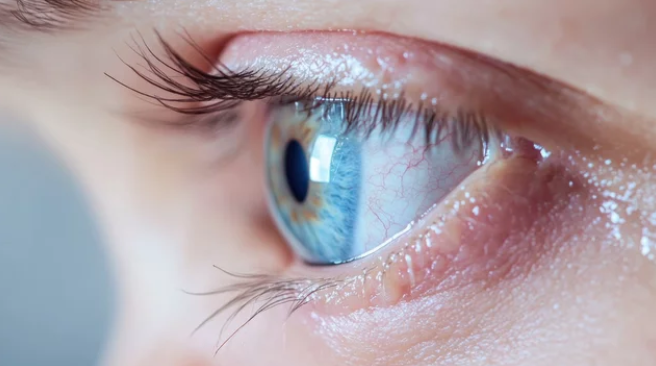
Chronic dry eyes (burning, itching, gritty sensation)
Dry mouth (difficulty swallowing or speaking)
Fatigue
Joint pain and stiffness
Swollen salivary glands
Other Possible Symptoms
Dry skin or vaginal dryness
Dental cavities and gum disease
Brain fog and memory issues
Peripheral neuropathy (tingling or numbness)
Lung, kidney, or gastrointestinal involvement
Because symptoms develop gradually, many patients attribute them to aging, stress, or medications.
Sjögren’s Syndrome Diagnosis
Diagnosing Sjögren’s syndrome can be challenging and often requires multiple tests. There is no single test that confirms the condition.
Diagnostic Methods Include:
Blood tests to detect autoantibodies (anti-SSA/Ro, anti-SSB/La, ANA, RF)
Schirmer’s test to measure tear production
Salivary gland tests to assess saliva flow
Lip (minor salivary gland) biopsy to confirm immune cell infiltration
Eye surface staining to detect corneal damage
Early and accurate diagnosis is important to prevent complications and organ damage.
Treatment Options for Sjögren’s Syndrome
There is currently no cure for Sjögren’s syndrome, but treatment focuses on symptom relief, preventing complications, and managing systemic disease.
Symptom-Based Treatments
Artificial tears and prescription eye drops
Saliva substitutes and sugar-free lozenges
Prescription medications to stimulate saliva production
Good oral hygiene and regular dental care
Systemic Treatments
Nonsteroidal anti-inflammatory drugs (NSAIDs) for joint pain
Immunomodulatory medications such as mycophenolate, rituximab for systemic involvement
IVIG (intravenous immunoglobulins) has also been used in cases associated with neuropathy
Corticosteroids or other immunosuppressive therapies in severe cases
Lifestyle and Supportive Care
Staying hydrated
Avoiding smoking and alcohol
Using humidifiers
Managing fatigue through pacing and rest
Treatment plans are highly individualized and often require coordination between rheumatologists, ophthalmologists, dentists, and primary care providers.
Living With Sjögren’s Syndrome
Although Sjögren’s syndrome is a lifelong condition, many people lead full and active lives with proper management. Education, early diagnosis, and ongoing care play a critical role in improving quality of life.
If you experience persistent dry eyes, dry mouth, and unexplained fatigue, it is important to seek medical evaluation, especially if symptoms worsen after viral infections such as COVID-19.